Electric cars are often regarded as soulless metal cages amongst car enthusiasts. But that wasn’t always and doesn’t have to be the case. In the mid 1990’s brands began experimenting with electric motors. Cars which looked like regular traffic, powered by batteries.
In comparison to today where every EV needs to look particularly futuristic. You see this concentrated in cars like the Cybertruck, the final frontier of modern futuristic car design. So I think it’s only right to disprove this rumor that every EV is without a soul, by showing you 10 EV’s I consider to have a soul.
X. Mitsubishi i-MiEV
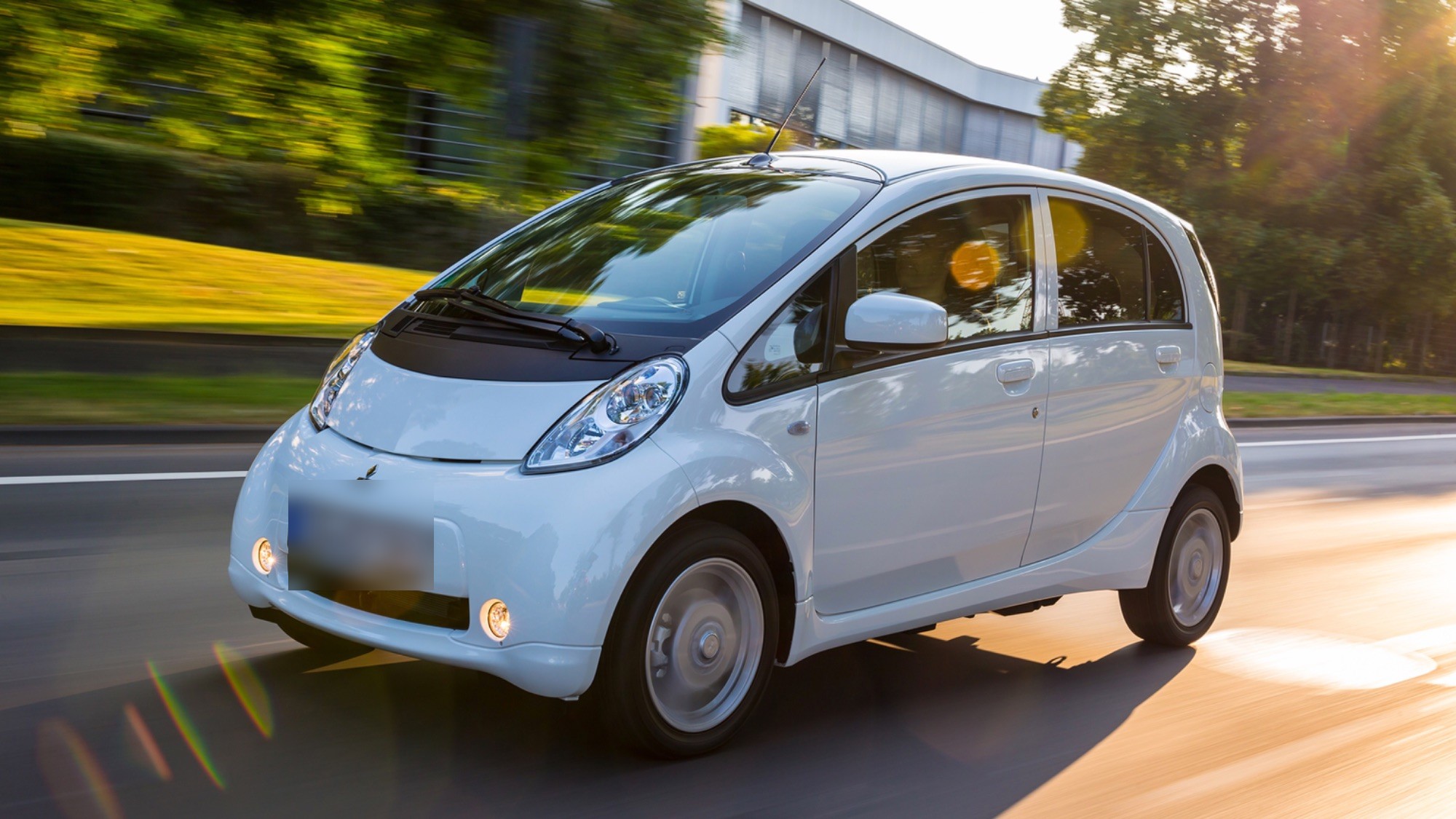
The i-MiEV is the first mass produced highway legal kei car.
It had a range of about 160 km with a top speed of 130 km/h. The same car was later rebadged and sold in Europe as a Citroen iOn and C-Zero.
It featured a CHAdeMO fast charge port allowing an 80% charge in under 30 minutes which massively outperformed older Tesla models.
IX. Corbin Sparrow
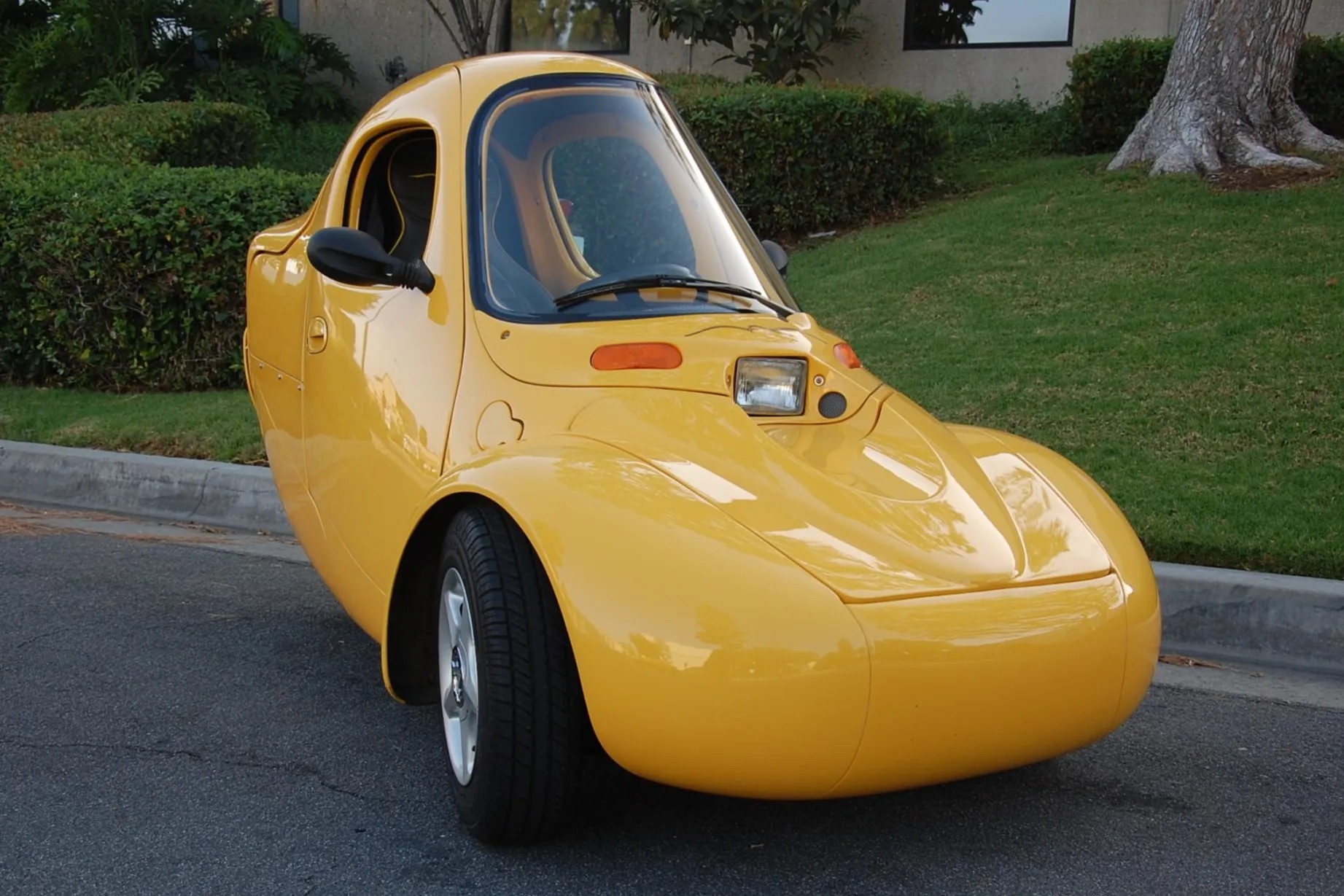
This might be the most interesting looking car on this list. I think the design is extremely creative, but nothing the masses are prepared for. A three-wheeled “Personal Transit Module” that could be driven by a motorcycle license. Only about 300 units were produced before the brand inevitably shut down in 2003.
VIII. Toyota RAV4 EV
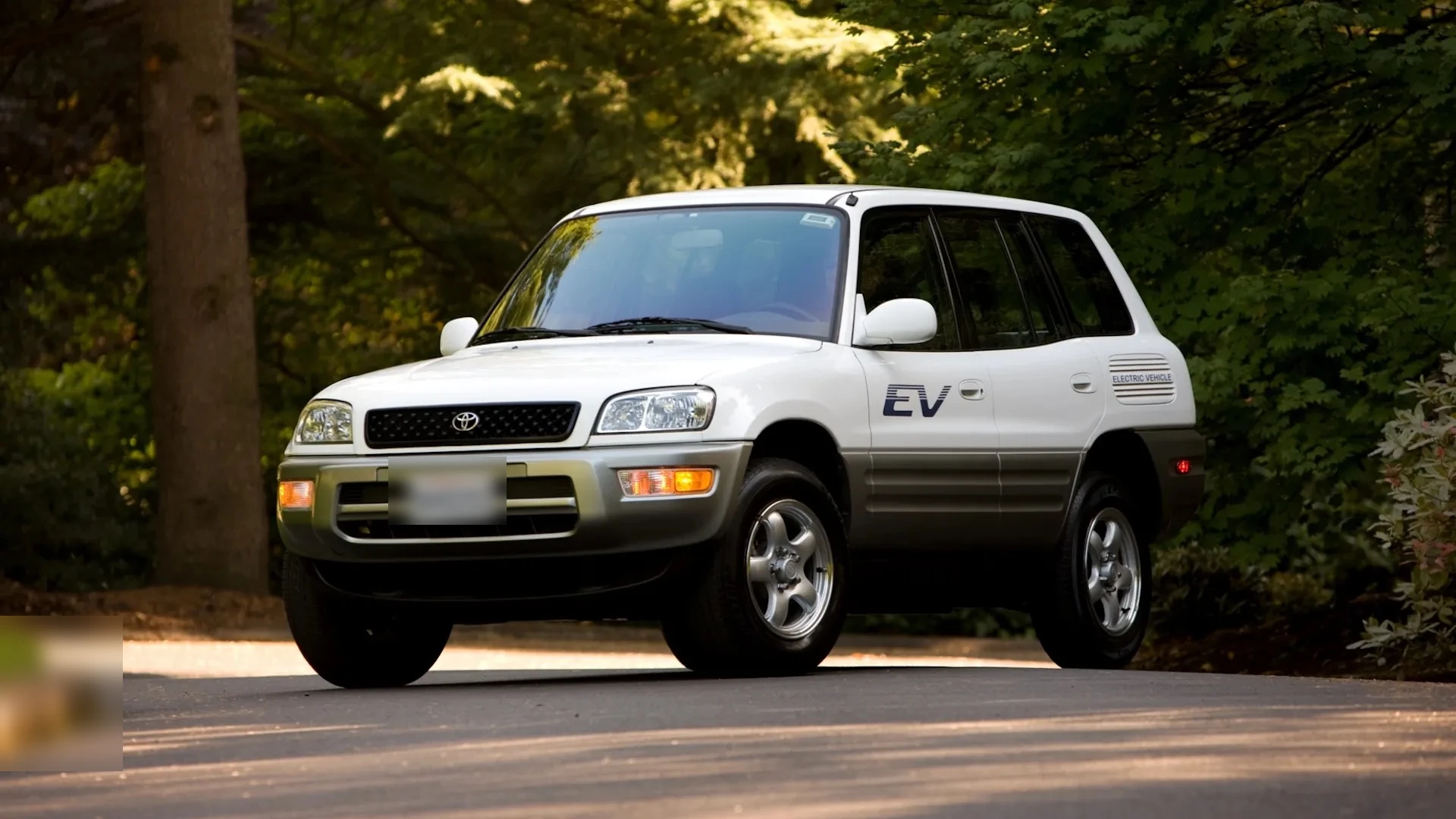
They made 2 generations of the RAV4 EV, the first generation used inductive “MagneCharge”, meaning you could charge the car with no physical pin connection. The second generation used a Tesla designed powertrain and panasonic battery, making it one of the earliest Tesla technology partnerships. Several cars exceeded 150 000 km, which is surprising given the RAV4 came out in 1997.
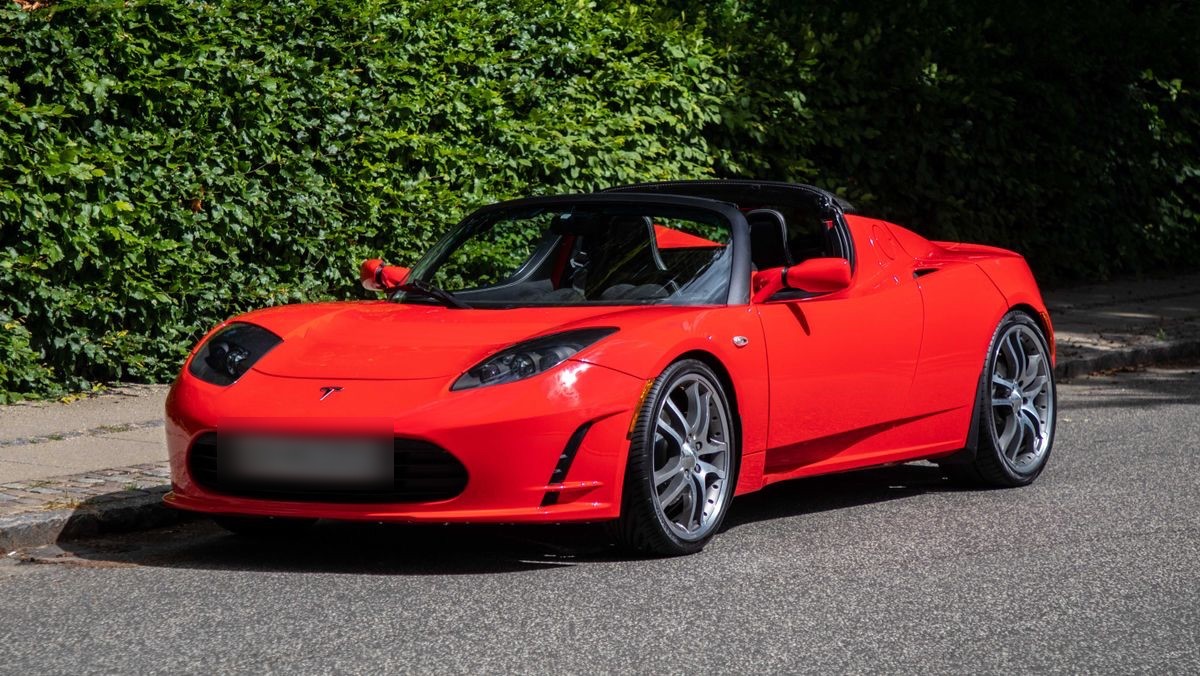
VII. Brabus Tesla Roadster
This might be the world’s first ever ‘tuned’ electric car, debuting in 2008 at the Essen Motor Show. The car offered cosmetic modifications rather than power upgrades, so calling it a “tuned car” might be a stretch.
The car did feature a Brabus sound generator made to emulate selectable sounds, such as V8, race engine, or futuristic "Beam" and "Warp" sounds.
The same sound system was also featured in the Brabus Ultimate High Voltage based on the Smart ForTwo. Which funnily enough featured the same electric motor as the Tesla Roadster.
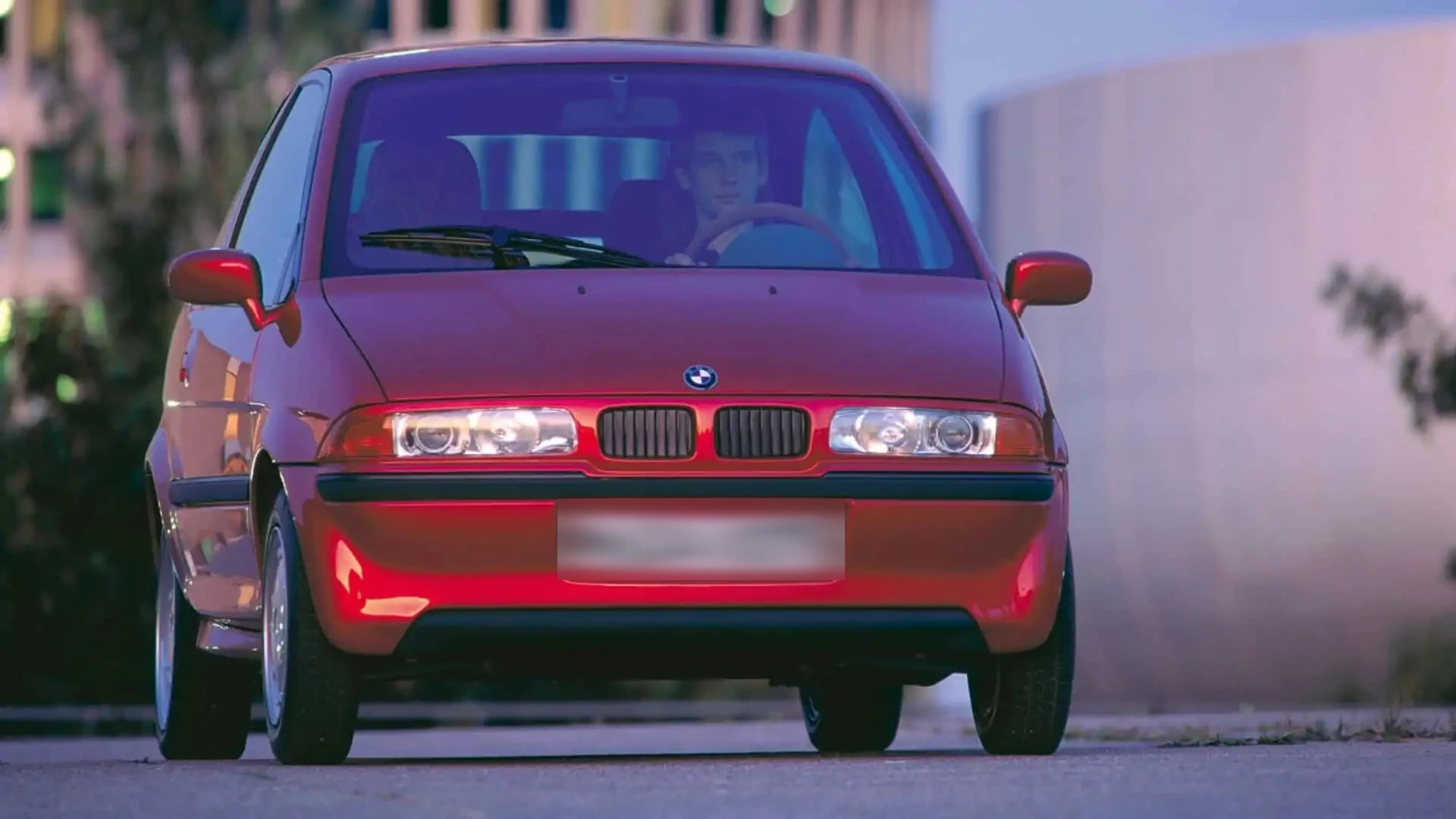
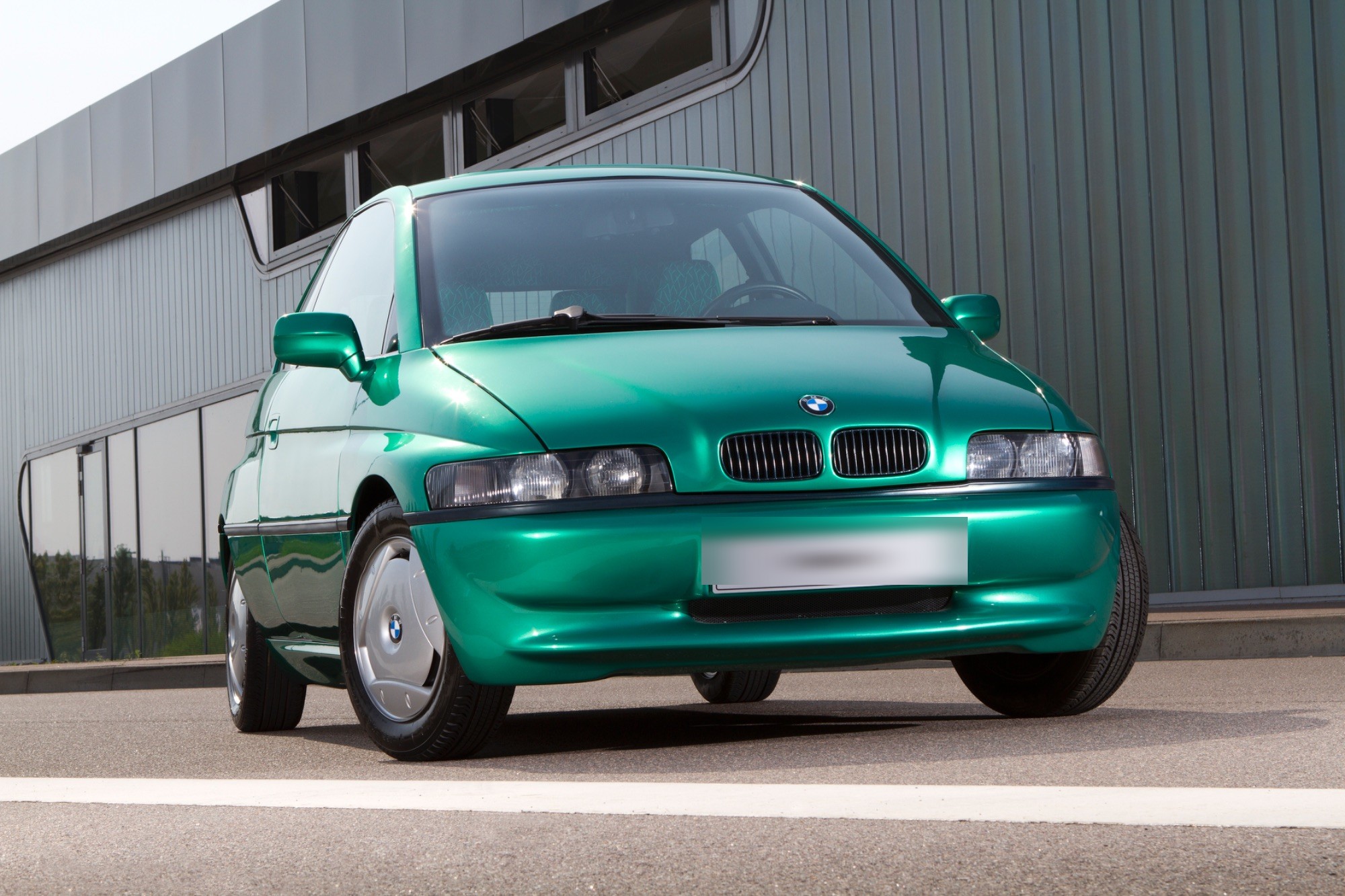
VI. BMW E1
Initially called the Z11, this is BMW’s first serious EV concept which saw its debut in 1991. Unlike many other EV’s, the E1 featured a sodium-sulphur battery which operate at high temperatures, cutting edge yet dangerous. The core problem behind the battery was that it didn’t operate at room temperatures. They require to be around 300–350°C to function because both sodium and sulfur need to be in molten, liquid state to conduct electricity.
The battery had to essentially always be hot, like a miniature furnace under the seats.
Besides the extreme heat, molten sodium is also violently reactive with water, even with the humidity in the air. If the separator between the electrodes cracked, from a crash or thermal stress, the liquid sodium and sulphur would contact each other directly, causing an immediate and extremely difficult to extinguish fire. Since sodium fires cant be put out with water, it makes them even worse.
Essentially, if you were to drive an E1, you can’t mess up, one slight crash could cause you to immediately go up in flames and it doesn’t even need to be your fault, if someone crashes into you, you’re also immediately engulfed in flames. So every trip to Rewe comes with a good chance of never returning. This battery set up had a lot more issues, but that might deserve a separate article. Nonetheless, the 1991 prototype was destroyed in a catastrophic fire during charging sessions, damaging the building it was housed in. I find it insane that the BMW engineers looked at the chemistry behind it and said, yeah that’s a grea idea.
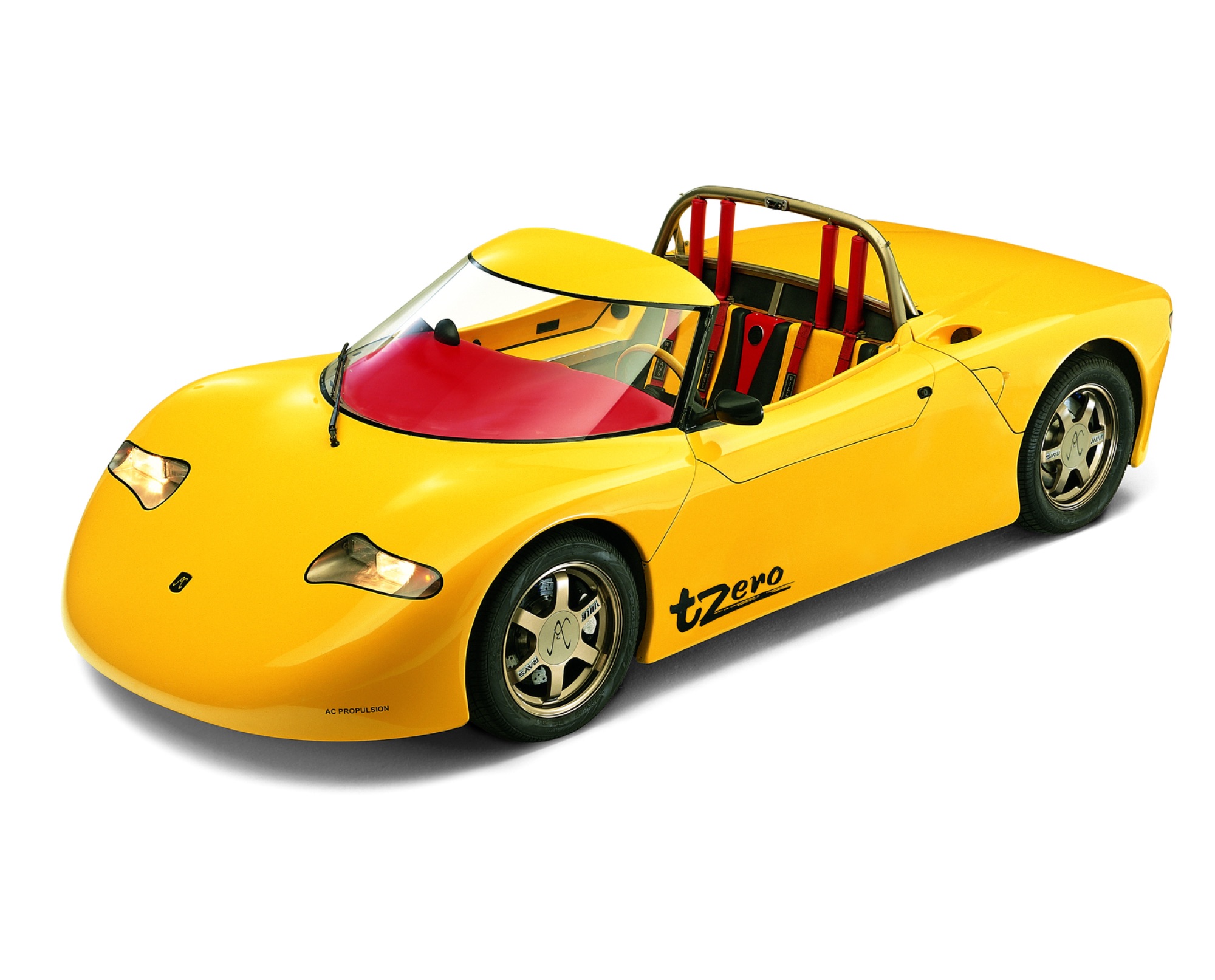
V. AC Propulsion tZero
This AC has nothing to do with the AC that brought us the Cobra, it stands for “Alternating Current” much like the AC in ACDC. Only 3 prototypes were ever built, one was lost to a fire in 2017. The tZero had a 480 km range with a Lithium-Ion battery that could accelerate from 0-100 km/h in 3.6 seconds. Which is extremely impressive, considering it came out in 1996. In comparison, the F50 which was made from 1995-1997 could only accelerate from 0-100 km/h in 3.8 seconds. The Li-Ion battery used 6800 laptop-style 18650 cells, the same cell type later used in early Tesla roadsters. The tZero actually directly caused the creation of Tesla Motors. Martin Eberhard drove a tZero, couldn’t buy it and went on to co-found Tesla. Their drivetrain tech was later licensed to form the basis of the original Tesla Roadster.
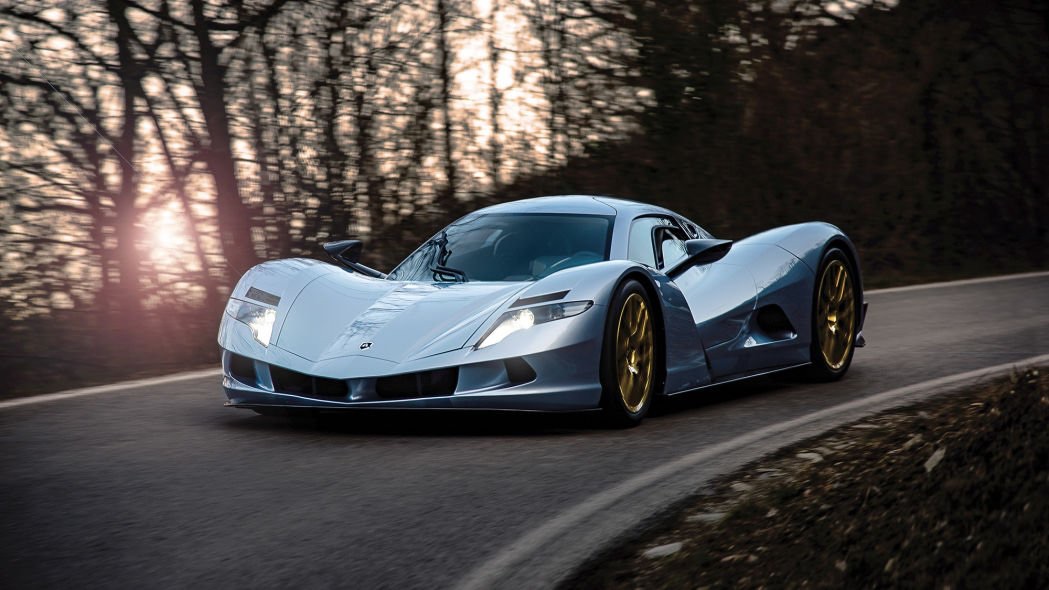
IV. Aspark Owl
Moving onto a more modern yet less known Hypercar out of Japan. The Aspark Owl is claimed to be the world’s fastest accelerating car with a 0-100 kmh in around 1.72 seconds. It’s important to note that the acceleration tests were done on race tyres and a roll out, the figure is disputed by some engineers, saying it’s physically impossible to achieve that number on street tyres. Nonetheless it has 2012 HP, a top speed of over 400 km/h, a height of only 99 cm and a hefty price tag 2.9 million euro.
While the Owl isn’t designed to look particularly aggressive it gives off the same menacing look as the McLaren P1, which is only amplified by its height.
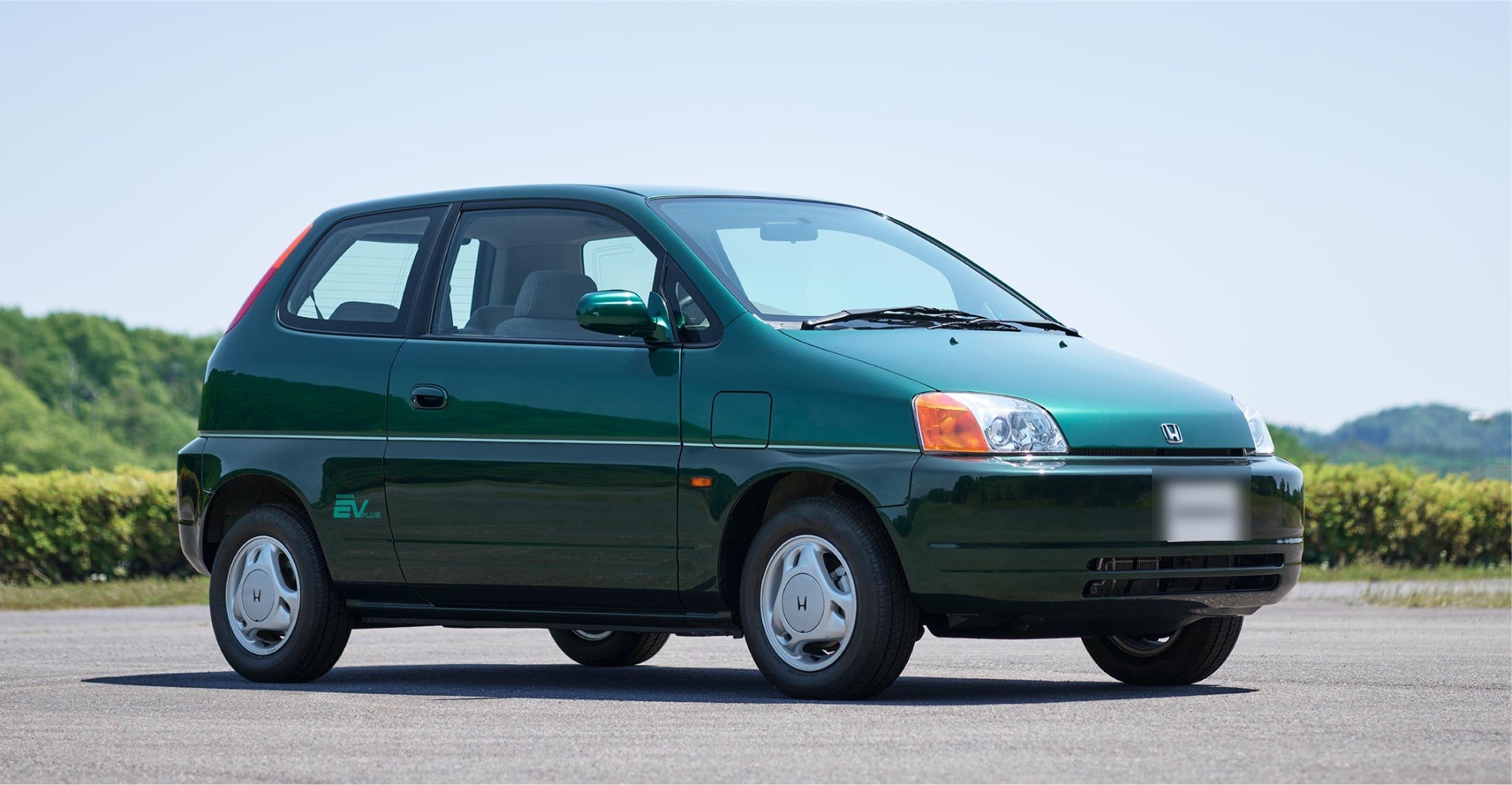
III. Honda EV Plus
For me, this car defines what EV’s should look like, because on the outside you almost can’t tell the car is electric. Something that is very much lost on modern auto-designers. If you made regular Audi’s, BMW’s, VW’s and offered the Battery as an alternative to the regular combustion engine, a lot of people would complain a lot less and the Honda EV Plus proves that. When showing this car to other car enthusiasts none of them mind it, meaning that the large amount of hate directed towards EV’s isn’t necessarily about the battery and more so about the design language tied to it. The car itself isn’t very impressive in terms of performance, a range of 130 km, 130 km/h and 66 HP.
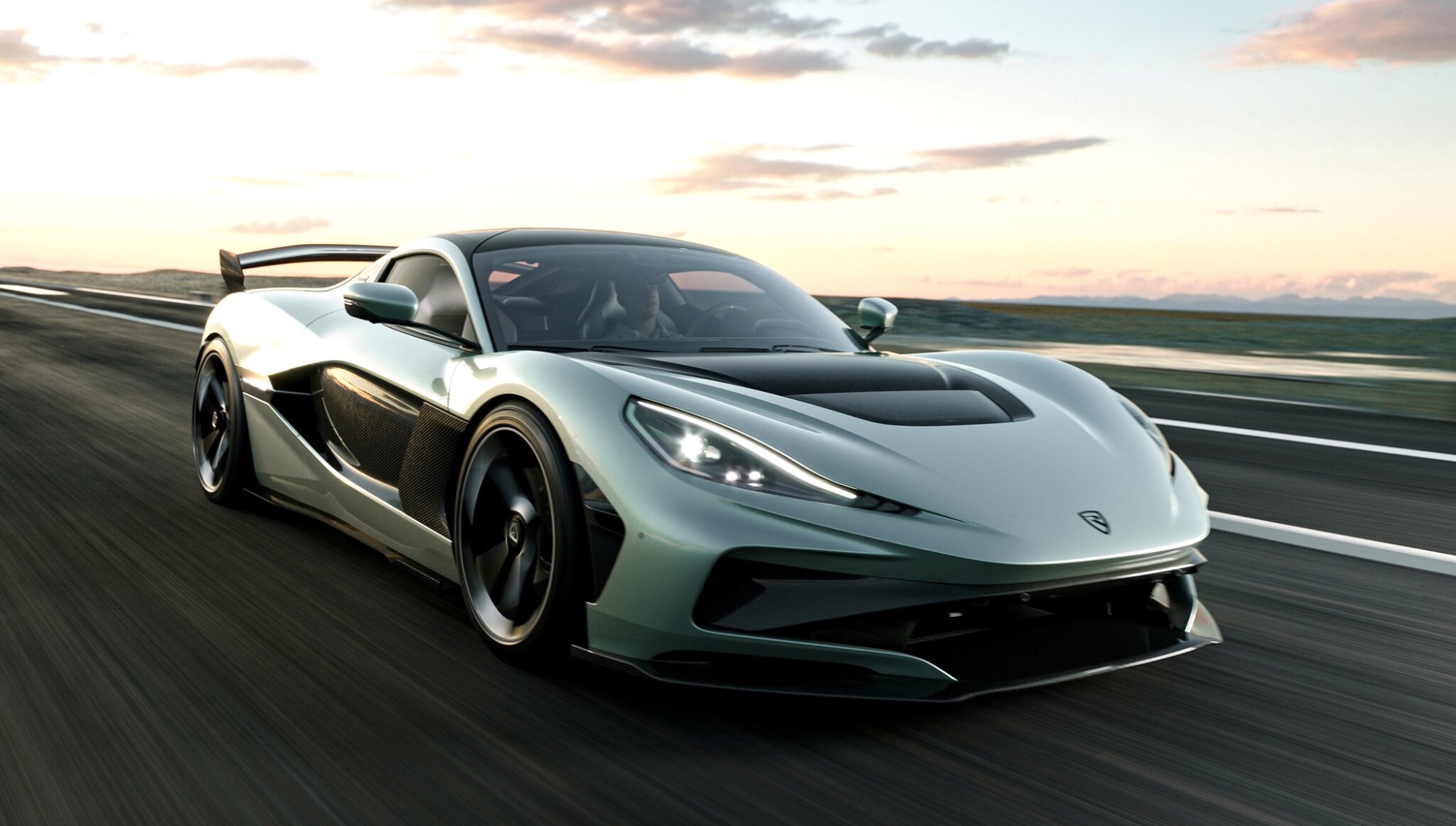
II. Rimac Nevera R
I always loved Rimac, even the base Nevera, but the R, which stands for Radical, is just so much more aggressive. The Car broke 24 World Records in a single day.
0-60 mph in 1.66 seconds,
0-100 kmh in 1.72 seconds,
0-100 mph in 2.96 seconds,
0-200 kmh in 3.95 seconds,
0-200 mph in 9.25 seconds,
0-300 kmh in 7.89 seconds,
0-400 kmh in 17.35 seconds,
0-1/8 mile in 4.29 seconds,
1/4 mile in 7.90 seconds,
100-200 kmh in 2.22 seconds,
60-130 mph in 2.59 seconds,
100-0 kmh in 29.93 meters,
200-0 kmh in 118.6 meters,
0-100-0 kmh in 3.32 seconds,
0-200-0 kmh in 8.58 seconds,
0-300-0 kmh in 14.49 seconds,
0-400-0 kmh in 25.79 seconds,
0-100-0 mph in 3.67 seconds,
0-200-0 mph in 10.31 seconds,
0-300-0 mph in 20.96 seconds,
Standing 1/2 mile in 12.82 seconds,
Standing mile in 20.61 seconds and
Top speed of 431.45 kmh (268.2 mph)
Funnily enough the Nevera R broke all these records, mostly held by the base Nevera. Which is even more impressive considering that Rimac is a brand out of Croatia, a country with no automotive history unlike Germany, Italy or the UK.
They only made 40 Units with a price tag of 2.3 million euros.
Unlike the Base Nevera which only sold 50 out of 150 units, the Nevera R is selling a lot better with the 1/10 “Founders Edition” selling out immediately. As to the Nevera R sales, we are still in the dark.
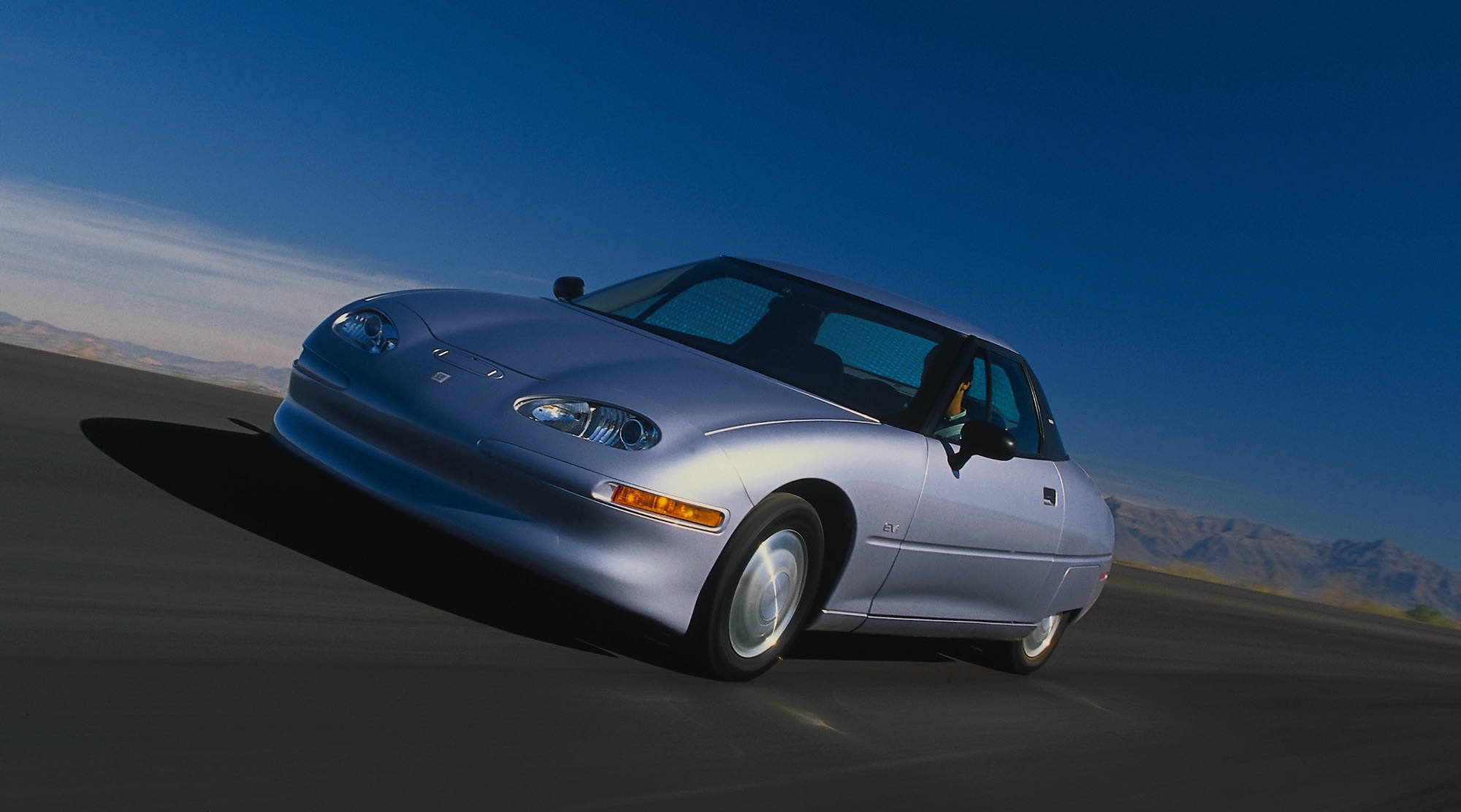
I. GM EV1
The EV1 is the first modern, mass produced EV from a major automaker. With a drag coefficient of 0.19 Cd it was the lowest of any production car in the world at the time. Sadly GM never sold the EV1, they leased them out and later recalled and crushed all of them. They spent over a billion dollars to develop the EV1, with each car costing about 340 000 $. Elon Musk later cited that GM’s decision to crush the EV1 as one of the reasons ‘he decided to build Tesla’.
GM also gave these cars out to universities at the time, with many of them now sitting abandoned in their parking lots.